Understanding Jiefa Lignosulfonate
The textile and agricultural industries are at a transformative juncture as they strive for sustainability and efficiency. In this context, Jiefa Lignosulfonate, a lignin-based product, has emerged as a pivotal player in various industrial applications. By blending performance with sustainability, Jiefa Lignosulfonate addresses critical challenges such as inconsistent product quality and high production costs. This article explores the significance of Jiefa Lignosulfonate across various sectors, including textiles, batteries, and agriculture while highlighting its benefits in creating a more sustainable industrial future. When exploring options, Jiefa Lignosulfonate provides comprehensive insights into lignin-based solutions that meet modern industry demands.
What is Jiefa Lignosulfonate?
Jiefa Lignosulfonate is a flammable, water-soluble polymer derived from lignin, a natural polymer found in wood and other plant materials. It is produced through sulfite pulping processes, where lignin is separated from cellulose and hemicellulose. Jiefa Technology, a leader in the field, has been innovating with lignin-based products for over 22 years, ensuring high-quality, consistent output tailored to specific industrial needs. With an annual production capacity of 80,000 tons, Jiefa Lignosulfonate serves as a versatile ingredient across various applications.
Key Benefits and Applications in Industry
The versatility of Jiefa Lignosulfonate allows it to be employed in diverse sectors. Its key benefits include:
- Improved Workability: Enhances the workability of concrete in the construction industry.
- Color Stability: Provides excellent color stability and uniformity for textile dyes.
- Battery Performance: Increases the efficiency of lead-acid batteries.
- Agricultural Efficiency: Enhances the dispersion of active ingredients in agrochemicals.
These applications underscore Jiefa Lignosulfonate’s role in advancing industrial processes while promoting sustainability and reducing waste.
How Jiefa Lignosulfonate Supports Sustainability
With growing concerns over environmental impact, sustainability has become a cornerstone of industrial operations. Jiefa Lignosulfonate addresses these concerns through its natural sourcing and functional benefits. By replacing synthetic chemical dispersants, Jiefa Lignosulfonate contributes to a reduced carbon footprint in manufacturing processes. Moreover, its biodegradable nature aligns perfectly with sustainable agricultural practices, making it a preferred choice among eco-conscious manufacturers.
Production and Quality Control
Innovative Manufacturing Processes at Jiefa
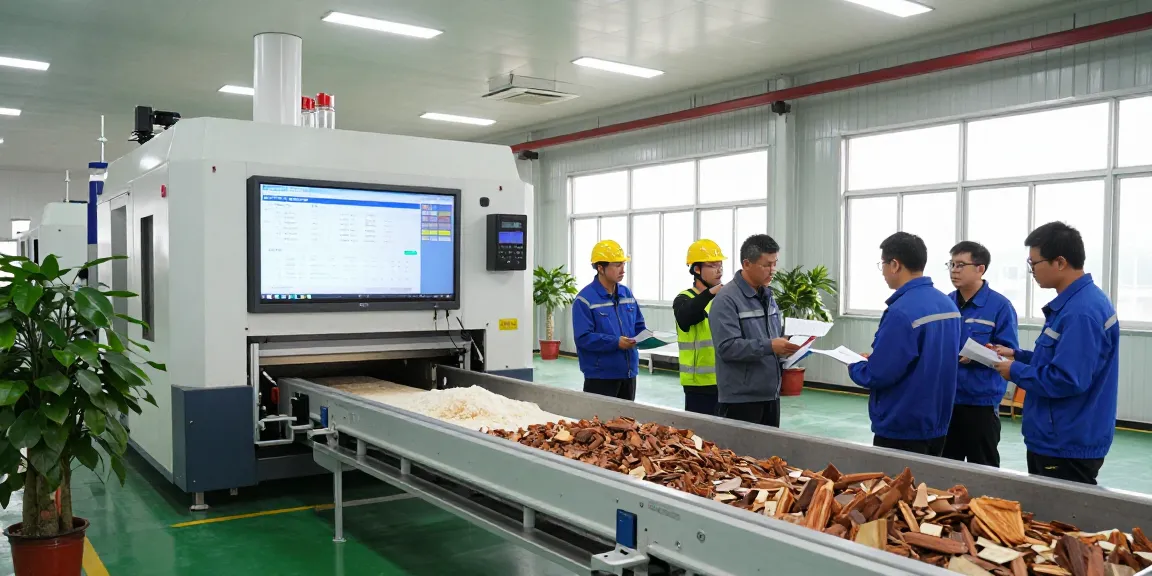
Jiefa Technology employs advanced manufacturing processes, ensuring the production of high-quality lignosulfonate. Utilizing DCS-controlled manufacturing techniques, they maintain strict process controls that enhance product consistency and reliability. The integration of an efficient supply chain allows for quick response times and stable delivery, addressing the challenges that many manufacturers face regarding product quality and supply uncertainty.
Ensuring Consistent Product Quality
Quality control is pivotal in the production of Jiefa Lignosulfonate. Jiefa employs rigorous testing protocols at every stage of production. From raw material selection to the final product, each batch undergoes meticulous quality checks to meet international standards. This commitment to quality ensures that customers receive a reliable product, essential for maintaining operational efficiency and customer satisfaction in their respective industries.
Challenges in Lignosulfonate Production
Despite the advantages, the production of lignosulfonate faces challenges, including fluctuating raw material prices and regulatory changes. Jiefa Technology continuously innovates to overcome these hurdles, adapting its production methods to ensure efficiency and cost-effectiveness. By investing in research and development, Jiefa is setting benchmarks in the industry, paving the way for future growth and stability.
Application in the Textile Industry
Benefits of Jiefa Lignosulfonate for Dye Dispersants
Jiefa Lignosulfonate serves as a powerful dye dispersant in the textile industry. Its ability to improve dispersion and color stability in dye solutions is critical for achieving high-quality textile finishes. Manufacturers implementing Jiefa’s dispersants report enhanced dye absorption and uniformity, which ultimately leads to increased customer satisfaction and reduced waste during the dyeing process.
Improving Color Uniformity and Stability
The dyeing process in textiles can face challenges such as uneven color distribution and instability at high temperatures. Jiefa Lignosulfonate significantly mitigates these issues by providing excellent dispersion properties, leading to high color uniformity and enhanced stability in dye formulations. This not only ensures an aesthetically pleasing end product but also optimizes the use of dyes and reduces overall production costs.
Case Studies of Success in Textile Applications
Several textile manufacturers have successfully integrated Jiefa Lignosulfonate into their processes, showcasing significant improvements in production efficiency. For instance, a leading textile company employing Jiefa’s solutions reported a 30% reduction in dye usage while achieving superior colorfastness. This case exemplifies how Jiefa Lignosulfonate contributes to sustainability while delivering measurable operational benefits.
Applications in Lead-Acid Batteries
Enhancing Battery Efficiency with Lignosulfonate
In the lead-acid battery industry, Jiefa Lignosulfonate acts as an expander, significantly enhancing battery performance. Its role in improving the suspension stability of active materials empowers manufacturers to create batteries with higher efficiency and longer life cycles. This translates to reduced operational costs for end-users and a lower environmental impact due to fewer battery replacements.
Technical Benefits for Battery Manufacturers
Battery manufacturers leveraging Jiefa Lignosulfonate report several technical advantages, including improved low-temperature performance and enhanced capacity retention during cycling. By incorporating lignosulfonate into their formulations, manufacturers can improve both the functionality and life span of their products. This positions them favorably in a competitive market that increasingly prioritizes efficiency and sustainability.
Future Trends in Battery Applications
The future of lead-acid batteries is increasingly intertwined with sustainability and performance. As regulations tighten around environmental impact, the demand for innovative solutions like Jiefa Lignosulfonate will grow. Manufacturers are expected to increasingly rely on lignin-based products to meet these demands, further cementing Jiefa Lignosulfonate’s role in the industry.
Future Directions and Innovations
Jiefa’s Strategic Vision for 2030
Jiefa Technology is committed to being at the forefront of innovation in lignin-based solutions. Through their Strategy 2030, they aim to expand their product line and enhance their R&D capabilities. This strategic vision focuses on developing new applications for Jiefa Lignosulfonate, ensuring it continues to meet the evolving needs of various industries while upholding sustainability standards.
Emerging Trends in Lignin-Based Solutions
As industries evolve, lignin-based solutions are gaining traction. With a growing emphasis on sustainability, the demand for natural alternatives in product formulations is surging. Jiefa is well-positioned to capitalize on this trend, developing innovative products that cater to eco-conscious manufacturers across multiple sectors, from agriculture to construction.
Preparing for Industry Changes in the Coming Years
To maintain its competitive edge, Jiefa Technology is actively adapting to market changes and consumer preferences. By fostering partnerships and investing in sustainable practices, Jiefa is preparing to meet future demands head-on. Their commitment to innovation ensures that they remain a valuable partner to industries seeking reliable and effective lignin-based solutions.
What are the benefits of Jiefa Lignosulfonate in industrial applications?
Jiefa Lignosulfonate offers numerous benefits, including eco-friendliness, cost-effectiveness, and enhanced performance across various applications. Its ability to improve product stability, reduce operational costs, and fulfill sustainability requirements makes it a sought-after ingredient in industries like textiles, batteries, and agriculture.
How can Jiefa Lignosulfonate improve production efficiency?
By integrating Jiefa Lignosulfonate into their formulations, manufacturers can achieve greater operational efficiency through enhanced product quality and reduced waste. The polymer’s stability and dispersion properties enable more effective use of raw materials, leading to lower production costs and more sustainable practices.
What industries benefit the most from Jiefa Lignosulfonate?
Several industries benefit significantly from Jiefa Lignosulfonate, including textiles, lead-acid battery manufacturing, agriculture, and construction. Its versatile applications make it an essential ingredient for manufacturers seeking to enhance performance while adhering to sustainability initiatives.
What is the future of lignin-based solutions?
The future of lignin-based solutions looks promising, with an increasing shift towards natural and sustainable products across industries. Jiefa Lignosulfonate is poised to lead this shift, as its numerous applications align with global sustainability goals and the need for higher efficiency in production processes.
How does Jiefa ensure product quality and reliability?
Jiefa maintains strict quality control measures throughout the production process. By utilizing advanced manufacturing techniques and comprehensive testing protocols, Jiefa ensures consistent product quality and reliability, which are crucial for customer satisfaction in various industrial applications.