
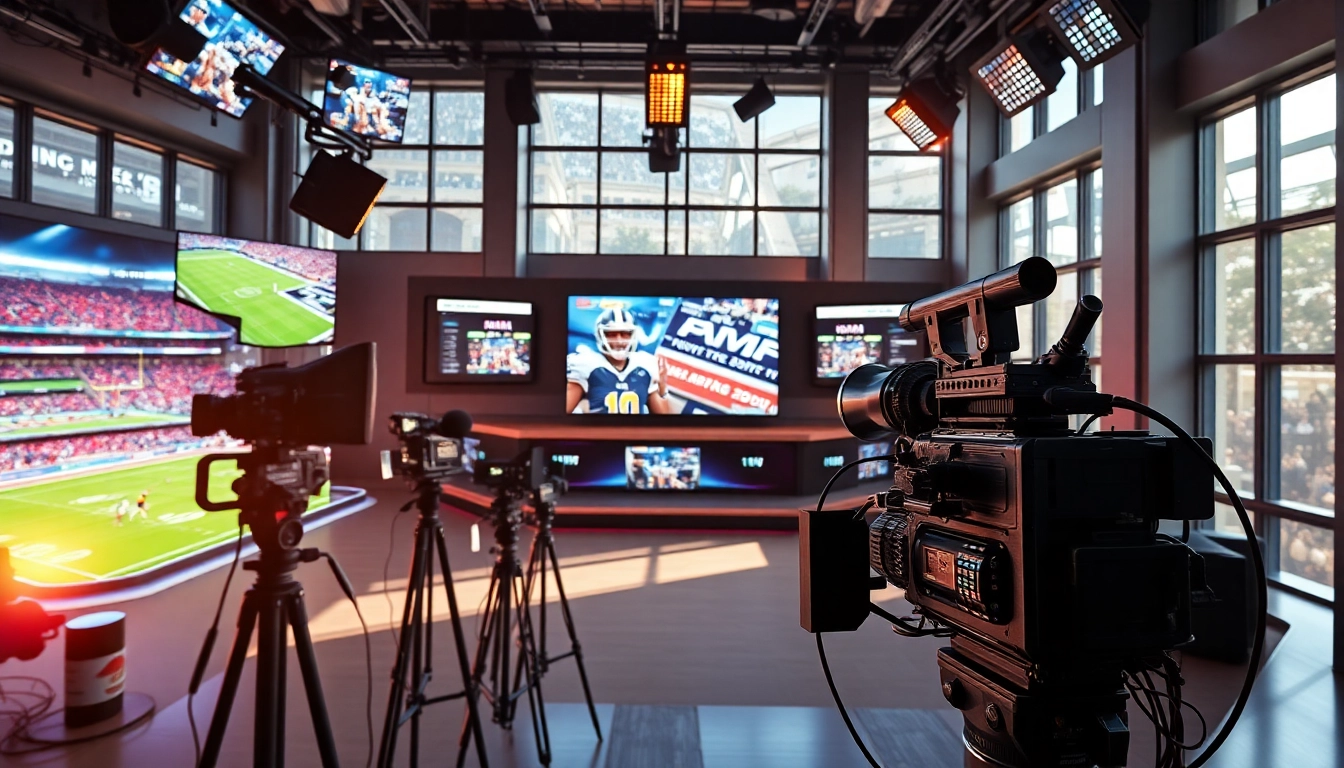
The Essence of Sports Broadcasting
Defining Sports Broadcasting
Sports Broadcasting is the distribution of sports-related content through various media outlets. This includes live telecasts, radio broadcasts, podcasts, and streaming platforms. The primary goal of sports broadcasting is to connect fans with their favorite teams, events, and stories, enriching the experience of watching sports, whether that's at home, in a stadium, or on the go. As a significant aspect of the entertainment industry, it has evolved to embrace digital transformations while fostering community engagement and fan loyalty. The evolving landscape of Sports Broadcasting reflects not only technological advancements but also changes in consumer behavior and expectations.
Key Players in the Industry
The sports broadcasting industry is characterized by a variety of key players that contribute to its functioning and innovation. Traditional broadcasters, including major networks and cable channels, have long been the primary sources of sports content. However, in recent years, digital platforms like streaming services have emerged as formidable competitors, often providing viewers with more flexible and personalized viewing experiences. Additionally, sports leagues themselves are increasingly taking control of their broadcast rights, directly engaging with audiences through proprietary applications and live streaming on their websites.
Furthermore, advertisers and sponsors play critical roles, providing revenue streams that support broadcasting operations and can influence the programming itself. Understanding the interplay between these stakeholders is essential for anyone looking to succeed in the field of sports broadcasting.
Importance of Audience Engagement
Engaging the audience goes beyond merely presenting a game or event. It encompasses building a relationship between the broadcaster and the viewers. The capacity to captivate audiences relies on interactive features such as social media integrations, live polls, and behind-the-scenes content that enhances viewer experiences. Predicting viewer trends, preferences, and feedback helps broadcasters tailor their content, making each broadcast feel unique and engaging. Broadcasters that prioritize audience interaction not only increase viewership but also cultivate long-term loyalty, which is vital in a competitive arena.
Technology's Role in Sports Broadcasting
Impact of Streaming Services
Streaming services have dramatically reshaped the sports broadcasting landscape by providing accessible and on-demand viewing options. Platforms like dedicated sports streaming services have gained immense popularity, allowing fans to watch live games, highlights, and replays at their convenience. This evolution reflects a shift in consumer behavior, where viewers prioritize flexibility. The competition among streaming services also drives innovation, leading to enhanced user experiences through features such as multi-camera views and exclusive content. As more viewers opt for streaming over traditional television, broadcasters must adapt their strategies to ensure they are effectively meeting new audience needs.
Equipment Essentials for Quality Broadcasts
The quality of a sports broadcast largely depends on the equipment used. High-definition cameras capable of producing stunning visuals are critical, alongside sound equipment that ensures clear audio capture of commentary and atmosphere. Additionally, graphics systems that provide real-time statistics and other engaging elements can significantly enhance the viewership experience. Integrating these various technologies requires skilled teams to operate and manage the equipment effectively, ensuring seamless broadcasts that resonate with audiences.
Emerging Technologies in Broadcasting
Emerging technologies are constantly paving new paths in the sports broadcasting industry. Innovations such as Artificial Intelligence (AI) play crucial roles in content distribution and analysis, enabling broadcasters to personalize experiences and predict viewer preferences. Drones and remote-controlled cameras provide unique vantage points during live events, capturing thrilling moments that enhance storytelling. Meanwhile, advancements in 5G technology permit uninterrupted streaming and improved viewer interactivity. Broadcasters must stay ahead of these trends to remain competitive and to offer new, engaging experiences for audiences.
Content Creation in Sports Broadcasting
Crafting Compelling Narratives
Beyond simply covering events, successful sports broadcasts craft compelling narratives that engage viewers emotionally. This involves telling the backstories of players, exploring rivalries, and highlighting key moments that shaped the game. Effective storytelling creates a deeper connection between the audience and the broadcast, transforming routine coverage into engaging experiences. It's essential for sports broadcasters to work closely with commentators and storytellers who can weave together these narratives to strengthen audience connection.
Utilizing Social Media for Promotion
Social media now plays a pivotal role in promoting sports broadcasts and engaging viewers. Platforms like Twitter, Instagram, and Facebook allow broadcasters to connect with fans directly, sharing real-time updates, highlights, and exclusive content. Using social media effectively means adapting the message for each platform while fostering community among fans. Engaging with followers—not just through promotional content but also interactive features—can deepen audience engagement and broaden viewership.
Developing Unique Broadcast Segments
To stand out in a crowded field, broadcasters must innovate by introducing unique broadcast segments that offer viewers fresh perspectives. This can include analytical segments, fan-centric features, or even entertaining content in-between plays. Ultimately, developing unique segments allows broadcasters to create memorable experiences that not only attract viewers but encourage them to return for future broadcasts.
Regulations and Ethics in Sports Broadcasting
Understanding Broadcast Rights
Broadcast rights are fundamental to the sports broadcasting industry. These licenses dictate how and where content can be aired, often generating significant revenue for leagues and organizations. Understanding the complexities surrounding broadcast rights, including negotiations and exclusivity agreements, is vital for broadcasters to avoid legal pitfalls and ensure compliance with regulations. Transparency and diligence in this area can help navigate the often-turbulent waters of rights management.
Staying Compliant with Industry Standards
Compliance with industry standards is essential for maintaining credibility and professionalism in sports broadcasting. This involves not only adhering to regulations around content coverage, privacy, and copyright but also ensuring that broadcasts uphold ethical standards. By prioritizing compliance, broadcasters can protect their reputation, foster viewer trust, and avoid potential legal repercussions.
Ethical Considerations in Reporting
Ethical dilemmas are commonplace in sports broadcasting, whether they pertain to how information is shared or the depiction of players and events. Broadcasters must navigate these challenges carefully, ensuring their reporting is honest, respectful, and fair. Taking a principled stance in addressing sensitive topics not only enhances the integrity of sports journalism but also fosters an informed audience and encourages responsible consumption of sports media.
Future Trends in Sports Broadcasting
Predictions for Viewer Behavior
The landscape of viewer behavior is changing rapidly. Younger audiences gravitate toward personalized and on-demand content, favoring short-form highlights over traditional game broadcasts. Broadcasters need to proactively adapt and cater to these behaviors by developing flexible viewing options and engaging formats. Staying attuned to these shifts will help sports broadcasters maintain relevance and capture the interest of future audiences.
Integration of Virtual and Augmented Reality
The integration of virtual and augmented reality (VR and AR) holds the promise of revolutionizing sports broadcasting. Enabling viewers to experience games from innovative angles or participate in virtual settings enhances viewer engagement tremendously. Collaborating with tech developers to implement these technologies can lead to groundbreaking interactive viewing experiences, allowing fans to connect with the action like never before.
Preparing for Evolving Technologies
As technology keeps evolving, sports broadcasters must stay ahead of trends to leverage new tools and platforms. Continuous training, investment in new technologies, and flexibility in strategic planning will be crucial. The future broadcasting landscape may introduce unknown challenges, making it essential to have a robust strategy in place that accommodates change while maintaining quality programming.
Frequently Asked Questions
What is sports broadcasting?
Sports broadcasting refers to the dissemination of sports-related content via TV, radio, or online platforms to engage fans and viewers with their favorite sports and events.
How has technology influenced sports broadcasting?
Technology has significantly transformed sports broadcasting through streaming services, high-definition video, social media engagement, and new broadcasting tools enhancing viewers' experiences.
Why is audience engagement important in sports broadcasting?
Engaging audiences fosters loyalty, drives viewership, and enhances the overall experience, creating a community around sports content and encouraging interaction.
What are broadcast rights?
Broadcast rights are legal permissions granted to organizations to air sports content. They dictate how and where the content can be distributed, often involving negotiations for exclusivity.
What are some emerging trends in sports broadcasting?
Emerging trends include increased use of streaming services, integration of virtual and augmented reality, and a focus on interactive features tailored to viewer preferences.